
About the Program
The Bachelor’s Degree Program at the department of Molecular Biology and Genetics is a 240 ECTS credits, 4 year program composed of eight semesters, and, as is the case with the other departments within our university, the Molecular Biology and Genetics bachelor degree program’s one ECTS equals to 30 hours of student workload per semester.
The department of Molecular Biology and Genetics aims to produce graduates who will have the opportunity to develop solutions in work in academy, industry (drug, vaccine, agriculture, etc), diagnosis and therapy centers and have the leadership to represent our country in the international arena, who think, inquire, research, ideate, explore to keep up with the constantly progressing and developing science and technology, and are respectful of ethical values by offering a undergraduate program which covers theoretical courses such as molecular biology, molecular genetics, microbiology, cell biology, tissue engineering, cancer biology, neurobiology, bioinformatics and biotechnology as well as qualifying them in relevant laboratory practices.
Opportunities offered for students:
- Learning a foreign language (Free),
- Enrolling in a Minor program (During their normal education and extra year with scholarship),
- Enrolling in a Double Major Program (During their normal education and extra year with scholarship),
- International exchange programs and education at European and American Universities (1 or 2 semester),
- Enrolling in a Master programs after graduation
Career Opportunities
Our graduates can work as an academician by staying at the university or work as a researcher at various institutes. They also have the opportunity to work in pharmaceutical companies, food and agriculture industry, biomedical products producing companies, diagnosis and treatment centers, in vitro fertilization centers, forensic science institutions, national/international research centers, and stem cell and gene therapy centers and laboratories.
The 21st century technology allows increase in usage area of molecular biology in daily life, thus an increase in recruitment and workforce of molecular biologist in related institutions and organizations is predicted.
Program Objectives & Goals
Objectives
- The objective of this program is to educate Molecular Biologists and Geneticists, who hold professional and universal ethical values, follow and practice developments in their fields, contribute to scientific studies, solve problems, and contribute to the development of society, government, and industry in the field of Molecular Biology and Genetics.
- Developing conceptual competence in the field of Molecular Biology and Genetics in order to gain professional perspective in understanding the current biological research and related experimental and theoretical approaches.
Program Learning Outcomes
KNOWLEDGE
- Sufficient knowledge of mathematics, science and engineering subjects related to their branches; To gain the knowledge of modeling and solving complex problems using theoretical and applied knowledge in these fields
- To gain the knowledge of oral and written communication, writing and understanding effective reports, making effective presentations, giving and receiving clear and understandable instructions in English.
COMPETENCE
- To gain the competence to work effectively and take responsibility individually and in multi-disciplinary teams.
- Professional and ethical responsibility awareness; To gain the competence to be ethical and act in accordance with ethical principles.
- Information about the universal and social effects of Molecular Biology and Genetics applications, employee health, environment and occupational safety; to gain awareness of the legal consequences of the practices.
- To gain the competence to evaluate and understand the advantages and limitations of related platforms by combining Basic Genetics, Bioengineering and Biotechnology.
SKILL
- Gaining the ability to produce unexpected complex situations that may be encountered in applications in the field of Molecular Biology and Genetics by taking responsibility individually and as a team member.
- To gain the ability to design an experiment in the field of Molecular Biology and Genetics, to collect and interpret data and to put them into practice.
- To gain knowledge and practical skills about current Molecular Biology techniques.
- Awareness of the necessity of lifelong learning; gain the ability to access information, to follow developments in science and technology, and to constantly renew oneself
- Sufficient knowledge of mathematics, science and engineering subjects related to their branches; To gain the knowledge of modeling and solving complex problems using theoretical and applied knowledge in these fields
- To gain the competence to work effectively and take responsibility individually and in multi-disciplinary teams.
- Professional and ethical responsibility awareness; To gain the competence to be ethical and act in accordance with ethical principles.
- To gain the knowledge of oral and written communication, writing and understanding effective reports, making effective presentations, giving and receiving clear and understandable instructions in English.
- Information about the universal and social effects of Molecular Biology and Genetics applications, employee health, environment and occupational safety; to gain awareness of the legal consequences of the practices.
- Gaining the ability to produce unexpected complex situations that may be encountered in applications in the field of Molecular Biology and Genetics by taking responsibility individually and as a team member.
- To gain the competence to evaluate and understand the advantages and limitations of related platforms by combining Basic Genetics, Bioengineering and Biotechnology.
- To gain the ability to design an experiment in the field of Molecular Biology and Genetics, to collect and interpret data and to put them into practice.
- To gain knowledge and practical skills about current Molecular Biology techniques.
- Awareness of the necessity of lifelong learning; gain the ability to access information, to follow developments in science and technology, and to constantly renew oneself
Relationship Between Programme Learning Outcomes and Objectives
| KNOWLEDGE | OBJECTIVE | T | % | ||
|---|---|---|---|---|---|
| Theoretical / Conceptual | O1 | O2 | |||
| 1 | Sufficient knowledge of mathematics, science and engineering subjects related to their branches; To gain the knowledge of modeling and solving complex problems using theoretical and applied knowledge in these fields | 5 VH ✔ | 5 VH ✔ | 10 | %100,00 |
| 2 | To gain the knowledge of oral and written communication, writing and understanding effective reports, making effective presentations, giving and receiving clear and understandable instructions in English. | 5 VH ✔ | 5 VH ✔ | 10 | %100,00 |
| COMPETENCE | OBJECTIVE | T | % | ||
| Learning Competence | O1 | O2 | |||
| 1 | To gain the competence to work effectively and take responsibility individually and in multi-disciplinary teams. | 5 VH ✔ | 5 VH ✔ | 10 | %100,00 |
| 2 | Professional and ethical responsibility awareness; To gain the competence to be ethical and act in accordance with ethical principles. | 5 VH ✔ | 5 VH ✔ | 10 | %100,00 |
| Communication and Social Competence | O1 | O2 | |||
| 1 | Information about the universal and social effects of Molecular Biology and Genetics applications, employee health, environment and occupational safety; to gain awareness of the legal consequences of the practices. | 5 VH ✔ | 5 VH ✔ | 10 | %100,00 |
| Field Specific Competence | O1 | O2 | |||
| 1 | To gain the competence to evaluate and understand the advantages and limitations of related platforms by combining Basic Genetics, Bioengineering and Biotechnology. | 5 VH ✔ | 5 VH ✔ | 10 | %100,00 |
| SKILL | OBJECTIVE | T | % | ||
| Cognitive / Pratical | O1 | O2 | |||
| 1 | Gaining the ability to produce unexpected complex situations that may be encountered in applications in the field of Molecular Biology and Genetics by taking responsibility individually and as a team member. | 5 VH ✔ | 5 VH ✔ | 10 | %100,00 |
| 2 | To gain the ability to design an experiment in the field of Molecular Biology and Genetics, to collect and interpret data and to put them into practice. | 5 VH ✔ | 5 VH ✔ | 10 | %100,00 |
| 3 | To gain knowledge and practical skills about current Molecular Biology techniques. | 5 VH ✔ | 5 VH ✔ | 10 | %100,00 |
| 4 | Awareness of the necessity of lifelong learning; gain the ability to access information, to follow developments in science and technology, and to constantly renew oneself | 5 VH ✔ | 5 VH ✔ | 10 | %100,00 |
| NUMBER OF PROGRAMME LEARNING OUTCOMES (10) | 10 | 10 | - | - | |
| WEIGHT | 50 | 50 | - | - | |
| PERCENTAGE | %100,00 | %100,00 | - | - | |
| CONTRIBUTION LEVEL - VERY HIGH [5] (VH) | 10 | 10 | |||
* T: Total, %: Percentage
O1 — The objective of this program is to educate Molecular Biologists and Geneticists, who hold professional and universal ethical values, follow and practice developments in their fields, contribute to scientific studies, solve problems, and contribute to the development of society, government, and industry in the field of Molecular Biology and Genetics.
O2 — Developing conceptual competence in the field of Molecular Biology and Genetics in order to gain professional perspective in understanding the current biological research and related experimental and theoretical approaches.
Teaching Methods
The most frequently used Instructional Methods of the educational programs of Istanbul Sabahattin Zaim University are given below.
- Expression
- Question-Answer
- Discussion
- Exercise and Practice
- Presentation
- Guided Practice
- Role Playing
- Group Study
- Simulation
- Brain Storming
- Six Hat
- Case Study
- Experiment - Test / Lab/ Workshop / Field Practice
- Self study
- Problem Solving
- Project Based Learning (Including Field Work)
Assessment Methods
The most frequently used Evaluation Methods of the educational programs of Istanbul Sabahattin Zaim University are given below.
- Testing (Essay / Tests: True-Falls, multiple-choice, short answer, matching)
- Oral Exam
- Homework
- Project / Design
- Portfolio
- Performance Assignment ( Lab / Workshop / Field Work / Seminar / Presentation / Completion Study / Thesis
Degree and Level Awarded
MOLECULAR BIOLOGY AND GENETICS is a Bachelor Degree Programme with 240 ECTS Credits, meets the minimum level (cycle) requirements, in terms of ECTS Credits and level descriptors of the first cycle degree qualifications of the Overarching Framework of European Qualifications Framework of HE(QF-EHEA) as well as the 6th levels of qualifications of the both the Turkish Qualifications Framework for HE (TYYÇ, NQF-HETR) and the European Qualifications Framework for Lifelong Learning (EQF-LLL) in terms of the latter.
Students, upon successfully completing this study program is awarded the qualification of BACHELOR'S DEGREE IN MOLECULAR BIOLOGY AND GENETICS.
Admission Requirements
Admission of national students to the MOLECULAR BIOLOGY AND GENETICS program is allowed through the nationally centralized Student Selection Examination (ÖSS) conducted by the Student Selection and Placement Centre (OSYM). Students who are studying in the equivalent programs in Turkey or abroad can apply for undergraduate transfer. Before the student admission period, each student’s conditions and the degree which they applied are specially considered and evaluated. Our prospective students must receive the required MF-4 score type in the university entrance exam held by ÖSYM. For further information please visit our corporate promotion catalogue.
Admission of foreign students to the program can be done upon an evaluation of the application of students directly to the university; these students are allowed to take courses given in English. If the student has sufficient Turkish language skills, then they are allowed to enroll any course given in Turkish in their respective Syllabus.
Graduation Requirements
The degree is awarded to students who successfully completes a minimum of 240 ECTS from the course units of the programme with a grade point average (GPA) of at least 2.00 out of 4.00.
Recognition of Prior Learning
Procedures to recognise prior learning (RPL), including non-formal and informal learning, is in an early stage of development in Turkey and currently there is a lack of a comprehensive and enabling legislative framework at the national level. However, within the scope of institutional autonomy there are some implementations at the institutional level for allocating credits towards exemption from some programme requirements on the basis of RPL. This is particularly a wide spread exercise implemented in cases that students, having a certain level of knowledge, skills and competencies in relation to fields such as foreign languages and computer use, prior to admission to the university, are subjected to an examination and if they are found successful to a certain degree required by the programme they have been admitted to, they are exempted from the relevant course units of the course program. RPL is also practiced for students who wish to transfer their studies to the equal or an upper levels at an another institution including those from abroad in the same or similar fields. In such cases, students, having received some course units in a previous programme they had studied and having been successful, may be exempted from the same or similar course units of the programmes they are admitted to upon the approval the adaptation committees of the programmes.
Such procedures of recognition are also used comprehensively in practice at our university. The general arrangements for the recognition of such implementations are outlined in the relevant section of our Education and Examination Regulations, Rules & Regulations for Graduate Programmes and that of Regulations for Lateral Transfer of Students.
Employment Opportunities
Our graduated students will have the opportunity to work in high quality professionals in Turkey or abroad because of the superior education and English they have received in their field.
Our graduates can work as an academician by staying at the university or work as a researcher at various institutes. They also have the opportunity to work in pharmaceutical companies, food and agriculture industry, biomedical products producing companies, diagnosis and treatment centers, in vitro fertilization centers, forensic science institutions, national/international research centers, and stem cell and gene therapy centers and laboratories.
The 21st century technology allows increase in usage area of molecular biology in daily life, thus an increase in recruitment and workforce of molecular biologist in related institutions and organizations is predicted.
Access to Further Studies
The students graduating from this program may apply to second cycle programs.
Study Plan
1th Semester
Number of Compulsory Courses: 7 Number of Elective Courses: 0
| Code | Course Name | Type | Language of Instruction | T | P | L | H | ECTS | Cr. |
|---|---|---|---|---|---|---|---|---|---|
| FIZ 103 | Physics Lab I | Compulsory | English | 0 | 0 | 2 | 2 | 2 | 1 |
| FIZ 105 | Physics I | Compulsory | English | 3 | 0 | 0 | 3 | 4 | 3 |
| KIM 101 | General Chemistry | Compulsory | Turkish | 3 | 0 | 0 | 3 | 5 | 3 |
| MAT 115 | Mathematics I | Compulsory | Turkish | 4 | 0 | 0 | 4 | 6 | 4 |
| MBG 101 | General Biology | Compulsory | English | 3 | 0 | 3 | 6 | 6 | 4.5 |
| TUR 101 | Turkish Language I | Compulsory | Turkish | 2 | 0 | 0 | 2 | 3 | 2 |
| YDL 105 | Advanced English I | Compulsory | English | 3 | 0 | 0 | 3 | 4 | 3 |
| Total: | 18 | 0 | 5 | 23 | 30,0 | 20,5 | |||
2nd Semester
Number of Compulsory Courses: 7 Number of Elective Courses: 0
| Code | Course Name | Type | Language of Instruction | T | P | L | H | ECTS | Cr. |
|---|---|---|---|---|---|---|---|---|---|
| BIM 159 | Computer and Information Technology | Compulsory | Turkish | 1 | 0 | 2 | 3 | 3 | 2 |
| KIM 102 | Organic Chemistry | Compulsory | Turkish | 3 | 0 | 0 | 3 | 4 | 3 |
| MAT 116 | Mathematics II | Compulsory | Turkish | 4 | 0 | 0 | 4 | 6 | 4 |
| MBG 103 | Molecular Biology Introduction | Compulsory | English | 3 | 0 | 3 | 6 | 7 | 4.5 |
| TUR 102 | Turkish Language II | Compulsory | Turkish | 2 | 0 | 0 | 2 | 3 | 2 |
| YDL 106 | Advanced English II | Compulsory | English | 3 | 0 | 0 | 3 | 4 | 3 |
| IZU ORT-1 | IZU Common Elective | IZU Common Elective | Turkish | 2 | 0 | 0 | 2 | 3 | 2 |
| Total: | 18 | 0 | 5 | 23 | 30,0 | 20,5 | |||
3rd Semester
Number of Compulsory Courses: 6 Number of Elective Courses: 0
| Code | Course Name | Type | Language of Instruction | T | P | L | H | ECTS | Cr. |
|---|---|---|---|---|---|---|---|---|---|
| ATA 101 | Ataturk’s Principles and History of Turkish Revolution I | Compulsory | Turkish | 2 | 0 | 0 | 2 | 3 | 2 |
| IST 201 | Probability and Statistics | Compulsory | Turkish | 3 | 0 | 0 | 3 | 5 | 3 |
| MBG 201 | Basic Genetics I | Compulsory | English | 3 | 0 | 0 | 3 | 5 | 3 |
| MBG 202 | Microbiology | Compulsory | English | 3 | 0 | 3 | 6 | 7 | 4.5 |
| MBG 203 | Cell Biology I | Compulsory | English | 3 | 0 | 3 | 6 | 7 | 4.5 |
| IZU ORT-2 | IZU Common Elective | IZU Common Elective | Turkish | 2 | 0 | 0 | 2 | 3 | 2 |
| Total: | 16 | 0 | 6 | 22 | 30,0 | 19,0 | |||
4th Semester
Number of Compulsory Courses: 6 Number of Elective Courses: 0
| Code | Course Name | Type | Language of Instruction | T | P | L | H | ECTS | Cr. |
|---|---|---|---|---|---|---|---|---|---|
| ATA 102 | Ataturk’s Principles and History of Turkish Revolution II | Compulsory | Turkish | 2 | 0 | 0 | 2 | 3 | 2 |
| MBG 204 | Physiology | Compulsory | Turkish | 3 | 0 | 0 | 3 | 5 | 3 |
| MBG 205 | Basic Genetics II | Compulsory | English | 3 | 0 | 3 | 6 | 7 | 4.5 |
| MBG 206 | Cell Biology II | Compulsory | English | 3 | 0 | 3 | 6 | 7 | 4.5 |
| MBG 209 | Bioinformatics | Compulsory | Turkish | 2 | 2 | 0 | 4 | 5 | 3 |
| IZU ORT-3 | IZU Common Elective | IZU Common Elective | Turkish | 2 | 0 | 0 | 2 | 3 | 2 |
| Total: | 15 | 2 | 6 | 23 | 30,0 | 19,0 | |||
5th Semester
Number of Compulsory Courses: 6 Number of Elective Courses: 0
| Code | Course Name | Type | Language of Instruction | T | P | L | H | ECTS | Cr. |
|---|---|---|---|---|---|---|---|---|---|
| ISG 402 | Occupational Health and Safety | Compulsory | Turkish | 2 | 0 | 0 | 2 | 3 | 2 |
| MBG 301 | Biochemistry I | Compulsory | Turkish | 3 | 0 | 3 | 6 | 6 | 4.5 |
| MBG 303 | Molecular Genetics I | Compulsory | English | 3 | 0 | 0 | 3 | 5 | 3 |
| MBG 304 | Biotechnology I | Compulsory | Turkish | 3 | 0 | 0 | 3 | 5 | 3 |
| MBG 309 | Methods Used in Molecular Biology I | Compulsory | English | 1 | 0 | 3 | 4 | 6 | 2.5 |
| BLS 001 | Departmental Elective Course | Departmental Elective | Turkish | 3 | 0 | 0 | 3 | 5 | 3 |
| Total: | 15 | 0 | 6 | 21 | 30,0 | 18,0 | |||
5th Semester Elective Courses
| Code | Course Name | Type | Language of Instruction | T | P | L | H | ECTS | Cr. |
|---|---|---|---|---|---|---|---|---|---|
| MBG 310 | Neurobiology | Departmental Elective | Turkish | 3 | 0 | 0 | 3 | 5 | 3 |
| MBG 312 | Current Issues in Molecular Biology | Departmental Elective | Turkish | 3 | 0 | 0 | 3 | 5 | 3 |
| Total: | 6 | 0 | 0 | 6 | 10,0 | 6,0 | |||
6th Semester
Number of Compulsory Courses: 6 Number of Elective Courses: 0
| Code | Course Name | Type | Language of Instruction | T | P | L | H | ECTS | Cr. |
|---|---|---|---|---|---|---|---|---|---|
| MBG 305 | Biochemistry II | Compulsory | Turkish | 3 | 0 | 3 | 6 | 6 | 4.5 |
| MBG 307 | Molecular Genetics II | Compulsory | English | 3 | 0 | 0 | 3 | 5 | 3 |
| MBG 316 | Methods Used in Molecular Biology II | Compulsory | English | 1 | 0 | 3 | 4 | 6 | 2.5 |
| MUH 302 | Interdisciplinary Research and Practice Design | Compulsory | Turkish | 1 | 0 | 0 | 1 | 3 | 1 |
| BLS 001 | Departmental Elective Course | Departmental Elective | Turkish | 3 | 0 | 0 | 3 | 5 | 3 |
| BLS 002 | Departmental Elective Course | Departmental Elective | Turkish | 3 | 0 | 0 | 3 | 5 | 3 |
| Total: | 14 | 0 | 6 | 20 | 30,0 | 17,0 | |||
6th Semester Elective Courses
| Code | Course Name | Type | Language of Instruction | T | P | L | H | ECTS | Cr. |
|---|---|---|---|---|---|---|---|---|---|
| MBG 311 | Developmental Genetics | Departmental Elective | Turkish | 3 | 0 | 0 | 3 | 5 | 3 |
| MBG 313 | Tissue Culture | Departmental Elective | Turkish | 3 | 0 | 0 | 3 | 5 | 3 |
| MBG 314 | Plant Molecular Biology | Departmental Elective | Turkish | 3 | 0 | 0 | 3 | 5 | 3 |
| Total: | 9 | 0 | 0 | 9 | 15,0 | 9,0 | |||
7th Semester
Number of Compulsory Courses: 6 Number of Elective Courses: 0
| Code | Course Name | Type | Language of Instruction | T | P | L | H | ECTS | Cr. |
|---|---|---|---|---|---|---|---|---|---|
| MBG 405 | Stem Cell Biology and Tissue Engineering | Compulsory | English | 3 | 0 | 0 | 3 | 5 | 3 |
| MBG 418 | Recombinant DNA Technology | Compulsory | English | 3 | 0 | 0 | 3 | 5 | 3 |
| MBG 401 | Internship | Internship | Turkish | 0 | 0 | 0 | 0 | 5 | 0 |
| BLS 001 | Departmental Elective Course | Departmental Elective | Turkish | 3 | 0 | 0 | 3 | 5 | 3 |
| BLS 002 | Departmental Elective Course | Departmental Elective | Turkish | 3 | 0 | 0 | 3 | 5 | 3 |
| MBG 411 | Graduation Project I | Graduation Study | Turkish | 0 | 4 | 0 | 4 | 5 | 2 |
| Total: | 12 | 4 | 0 | 16 | 30,0 | 14,0 | |||
7th Semester Elective Courses
| Code | Course Name | Type | Language of Instruction | T | P | L | H | ECTS | Cr. |
|---|---|---|---|---|---|---|---|---|---|
| GIM 457 | Fermentation Technology | Departmental Elective | Turkish | 3 | 0 | 0 | 3 | 5 | 3 |
| MBG 403 | Enzymology | Departmental Elective | Turkish | 3 | 0 | 0 | 3 | 5 | 3 |
| MBG 404 | Bioanalytical Methods | Departmental Elective | Turkish | 3 | 0 | 0 | 3 | 5 | 3 |
| MBG 422 | Immunology | Departmental Elective | Turkish | 3 | 0 | 0 | 3 | 5 | 3 |
| Total: | 12 | 0 | 0 | 12 | 20,0 | 12,0 | |||
8th Semester
Number of Compulsory Courses: 7 Number of Elective Courses: 0
| Code | Course Name | Type | Language of Instruction | T | P | L | H | ECTS | Cr. |
|---|---|---|---|---|---|---|---|---|---|
| MBG 407 | Cancer Biology | Compulsory | Turkish | 3 | 0 | 0 | 3 | 5 | 3 |
| MBG 409 | Genomic and Proteomics | Compulsory | English | 3 | 0 | 0 | 3 | 5 | 3 |
| MBG 416 | Academic Oral Presentation | Compulsory | Turkish | 3 | 0 | 0 | 3 | 5 | 3 |
| MBG 417 | Academic Oral Presentation Course | Compulsory | Turkish | 3 | 0 | 0 | 3 | 5 | 3 |
| BLS 001 | Departmental Elective Course | Departmental Elective | Turkish | 3 | 0 | 0 | 3 | 5 | 3 |
| BLS 002 | Departmental Elective Course | Departmental Elective | Turkish | 3 | 0 | 0 | 3 | 5 | 3 |
| MBG 412 | Graduation Project II | Graduation Study | Turkish | 0 | 4 | 0 | 4 | 5 | 2 |
| Total: | 18 | 4 | 0 | 22 | 35,0 | 20,0 | |||
8th Semester Elective Courses
| Code | Course Name | Type | Language of Instruction | T | P | L | H | ECTS | Cr. |
|---|---|---|---|---|---|---|---|---|---|
| GIM 356 | Enzyme Science and Technology | Departmental Elective | Turkish | 3 | 0 | 0 | 3 | 5 | 3 |
| GIM 474 | Food Biotechnology | Departmental Elective | Turkish | 3 | 0 | 0 | 3 | 5 | 3 |
| GIM 476 | Food And Nutrition | Departmental Elective | Turkish | 3 | 0 | 0 | 3 | 5 | 3 |
| MBG 414 | Resistance in Bacterial Pathogenesis | Departmental Elective | Turkish | 3 | 0 | 0 | 3 | 5 | 3 |
| MBG 415 | Molecular Evolution | Departmental Elective | Turkish | 3 | 0 | 0 | 3 | 5 | 3 |
| MBG 423 | Nutrigenomics | Departmental Elective | Turkish | 3 | 0 | 0 | 3 | 5 | 3 |
| Total: | 18 | 0 | 0 | 18 | 30,0 | 18,0 | |||
Course Load Summary
| Course Load Summary | T | P | L | H | ECTS | Cr. |
|---|---|---|---|---|---|---|
| Grand Total (Number of Courses: 51) | 126 | 10 | 34 | 170 | 245,0 | 148,0 |
| Compulsory Course Total (Number of Courses: 41) | 99 | 10 | 34 | 143 | 201,0 | 121,0 |
| Elective Course Total (Number of Courses: 10) | 27 | 0 | 0 | 27 | 44,0 | 27,0 |
| Course Type | Number of Courses | Ratio (%) |
|---|---|---|
| Zorunlu Ders | 41 | 80,39 |
| Seçmeli Ders | 10 | 19,61 |
| Bölüm Dışı Seçmeli Ders | 7 | 13,73 |
T: Theory, P: Practice, L: Laboratory, WCH: Weekly Course Hours, ECTS: European Credit Transfer System, Cr.: Credit
Core Area Distribution
| Core Area | Total ECTS | Ratio (%) |
|---|---|---|
| Physical Sciences | 78 | 29.9% |
| Health | 33 | 12.6% |
| Physical Sciences | 22.8 | 8.7% |
| Life Sciences | 21.7 | 8.3% |
| Engineering and Engineering Trades | 18.9 | 7.2% |
| Humanities | 18.8 | 7.2% |
| Life Sciences | 17.8 | 6.8% |
| Health | 17.5 | 6.7% |
| Mathematics and Statistics | 15.9 | 6.1% |
| Engineering and Engineering Trades | 7 | 2.7% |
| Computing | 3 | 1.1% |
| Manufacturing and Processing | 2.5 | 1% |
| Agriculture, Forestry and Fishery | 2.5 | 1% |
| Social and Behavioural Science | 0.6 | 0.2% |
| Architecture and Building | 0.6 | 0.2% |
| Security Services | 0.6 | 0.2% |
Course Category List
Compulsory Courses
| Course | ECTS | Ratio (%) |
|---|---|---|
| ATA 101 - Ataturk’s Principles and History of Turkish Revolution I | 3 | |
| 22 - Humanities | %90 | |
| 31 - Social and Behavioural Science | %10 | |
| ATA 102 - Ataturk’s Principles and History of Turkish Revolution II | 3 | |
| 22 - Humanities | %90 | |
| 31 - Social and Behavioural Science | %10 | |
| BIM 159 - Computer and Information Technology | 3 | |
| 48 - Computing | %100 | |
| FIZ 103 - Physics Lab I | 2 | |
| 44 - Physical Sciences | %100 | |
| FIZ 105 - Physics I | 4 | |
| 44 - Physical Sciences | %100 | |
| ISG 402 - Occupational Health and Safety | 3 | |
| 22 - Humanities | %20 | |
| 52 - Engineering and Engineering Trades | %20 | |
| 58 - Architecture and Building | %20 | |
| 72 - Health | %20 | |
| 86 - Security Services | %20 | |
| IST 201 - Probability and Statistics | 5 | |
| 46 - Mathematics and Statistics | %75 | |
| 52 - Engineering and Engineering Trades | %25 | |
| KIM 101 - General Chemistry | 5 | |
| 44 - Physical Sciences | %100 | |
| KIM 102 - Organic Chemistry | 4 | |
| 42 - Life Sciences | %20 | |
| 44 - Physical Sciences | %80 | |
| MAT 115 - Mathematics I | 6 | |
| 46 - Mathematics and Statistics | %60 | |
| 52 - Engineering and Engineering Trades | %40 | |
| MAT 116 - Mathematics II | 6 | |
| 46 - Mathematics and Statistics | %100 | |
| MBG 101 - General Biology | 6 | |
| 44 - Physical Sciences | %100 | |
| MBG 103 - Molecular Biology Introduction | 7 | |
| 42 - Life Sciences | %80 | |
| 72 - Health | %20 | |
| MBG 201 - Basic Genetics I | 5 | |
| 44 - Physical Sciences | %50 | |
| 72 - Health | %50 | |
| MBG 202 - Microbiology | 7 | |
| 44 - Physical Sciences | %50 | |
| 72 - Health | %50 | |
| MBG 203 - Cell Biology I | 7 | |
| 42 - Life Sciences | %90 | |
| 72 - Health | %10 | |
| MBG 204 - Physiology | 5 | |
| 72 - Health | %100 | |
| MBG 205 - Basic Genetics II | 7 | |
| 44 - Physical Sciences | %30 | |
| 72 - Health | %70 | |
| MBG 206 - Cell Biology II | 7 | |
| 44 - Physical Sciences | %50 | |
| 72 - Health | %50 | |
| MBG 209 - Bioinformatics | 5 | |
| 44 - Physical Sciences | %50 | |
| 46 - Mathematics and Statistics | %50 | |
| MBG 301 - Biochemistry I | 6 | |
| 44 - Physical Sciences | %100 | |
| MBG 303 - Molecular Genetics I | 5 | |
| 44 - Physical Sciences | %100 | |
| MBG 304 - Biotechnology I | 5 | |
| 42 - Life Sciences | %80 | |
| 72 - Health | %20 | |
| MBG 305 - Biochemistry II | 6 | |
| 44 - Physical Sciences | %100 | |
| MBG 307 - Molecular Genetics II | 5 | |
| 42 - Life Sciences | %80 | |
| 44 - Physical Sciences | %10 | |
| 72 - Health | %10 | |
| MBG 309 - Methods Used in Molecular Biology I | 6 | |
| 44 - Physical Sciences | %60 | |
| 72 - Health | %40 | |
| MBG 316 - Methods Used in Molecular Biology II | 6 | |
| 44 - Physical Sciences | %60 | |
| 52 - Engineering and Engineering Trades | %40 | |
| MBG 401 - Internship | 5 | |
| 44 - Physical Sciences | %60 | |
| 52 - Engineering and Engineering Trades | %40 | |
| MBG 405 - Stem Cell Biology and Tissue Engineering | 5 | |
| 42 - Life Sciences | %20 | |
| 52 - Engineering and Engineering Trades | %40 | |
| 72 - Health | %40 | |
| MBG 407 - Cancer Biology | 5 | |
| 44 - Physical Sciences | %50 | |
| 72 - Health | %50 | |
| MBG 409 - Genomic and Proteomics | 5 | |
| 44 - Physical Sciences | %60 | |
| 52 - Engineering and Engineering Trades | %40 | |
| MBG 416 - Academic Oral Presentation | 5 | |
| 44 - Physical Sciences | %50 | |
| 72 - Health | %50 | |
| MBG 417 - Academic Oral Presentation Course | 5 | |
| 44 - Physical Sciences | %100 | |
| MBG 418 - Recombinant DNA Technology | 5 | |
| 44 - Physical Sciences | %60 | |
| 52 - Engineering and Engineering Trades | %40 | |
| MUH 302 - Interdisciplinary Research and Practice Design | 3 | |
| 52 - Engineering and Engineering Trades | %100 | |
| TUR 101 - Turkish Language I | 3 | |
| 22 - Humanities | %100 | |
| TUR 102 - Turkish Language II | 3 | |
| 22 - Humanities | %100 | |
| YDL 105 - Advanced English I | 4 | |
| 22 - Humanities | %70 | |
| 52 - Engineering and Engineering Trades | %30 | |
| YDL 106 - Advanced English II | 4 | |
| 22 - Humanities | %100 |
Elective Courses
| Course | ECTS | Ratio (%) |
|---|---|---|
| GIM 457 - Fermentation Technology | 5 | |
| 42 - Life Sciences | %20 | |
| 52 - Engineering and Engineering Trades | %30 | |
| 54 - Manufacturing and Processing | %50 | |
| GIM 474 - Food Biotechnology | 5 | |
| 42 - Life Sciences | %35 | |
| 44 - Physical Sciences | %35 | |
| 52 - Engineering and Engineering Trades | %30 | |
| GIM 476 - Food And Nutrition | 5 | |
| 44 - Physical Sciences | %10 | |
| 52 - Engineering and Engineering Trades | %30 | |
| 62 - Agriculture, Forestry and Fishery | %10 | |
| 72 - Health | %50 | |
| MBG 310 - Neurobiology | 5 | |
| 42 - Life Sciences | %80 | |
| 72 - Health | %20 | |
| MBG 311 - Developmental Genetics | 5 | |
| 42 - Life Sciences | %100 | |
| MBG 312 - Current Issues in Molecular Biology | 5 | |
| 42 - Life Sciences | %30 | |
| 44 - Physical Sciences | %10 | |
| 52 - Engineering and Engineering Trades | %10 | |
| 72 - Health | %50 | |
| MBG 313 - Tissue Culture | 5 | |
| 44 - Physical Sciences | %60 | |
| 62 - Agriculture, Forestry and Fishery | %20 | |
| 72 - Health | %20 | |
| MBG 314 - Plant Molecular Biology | 5 | |
| 44 - Physical Sciences | %60 | |
| 62 - Agriculture, Forestry and Fishery | %20 | |
| 72 - Health | %20 | |
| MBG 403 - Enzymology | 5 | |
| 44 - Physical Sciences | %60 | |
| 52 - Engineering and Engineering Trades | %40 | |
| MBG 411 - Graduation Project I | 5 | |
| 42 - Life Sciences | %40 | |
| 44 - Physical Sciences | %40 | |
| 72 - Health | %20 | |
| MBG 412 - Graduation Project II | 5 | |
| 42 - Life Sciences | %50 | |
| 72 - Health | %50 | |
| MBG 414 - Resistance in Bacterial Pathogenesis | 5 | |
| 44 - Physical Sciences | %20 | |
| 72 - Health | %80 | |
| MBG 415 - Molecular Evolution | 5 | |
| 44 - Physical Sciences | %100 | |
| MBG 422 - Immunology | 5 | |
| 44 - Physical Sciences | %60 | |
| 72 - Health | %40 |
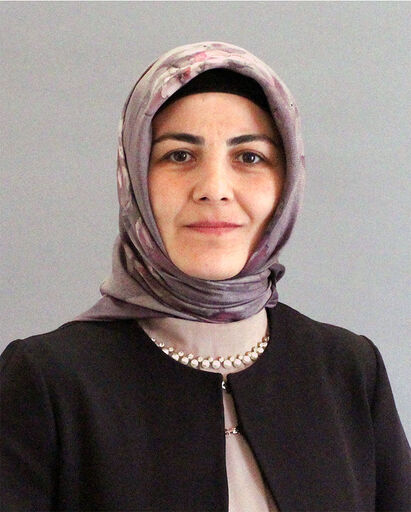
 yasemin.yilmazer@izu.edu.tr 0212 692 88 86
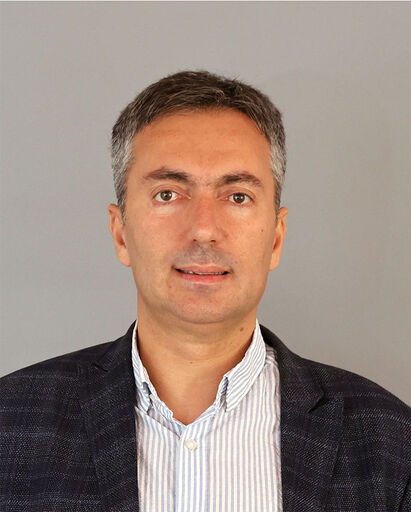 mustafa.yaman@izu.edu.tr 0212 692 89 15
  huseyin.abdik@izu.edu.tr 0212 692 97 97
 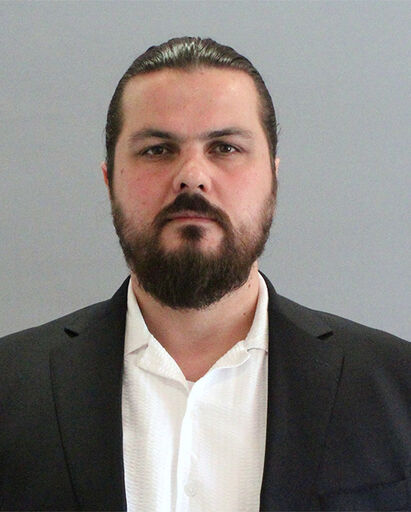 mehmetali.tibatan@izu.edu.tr
  mehtap.aydin@izu.edu.tr
  zeynep.sinirlioglu@izu.edu.tr
  esra.servi@izu.edu.tr 0212 692 97 52
 sedanur.ozcan@izu.edu.tr 0212 692 88 87